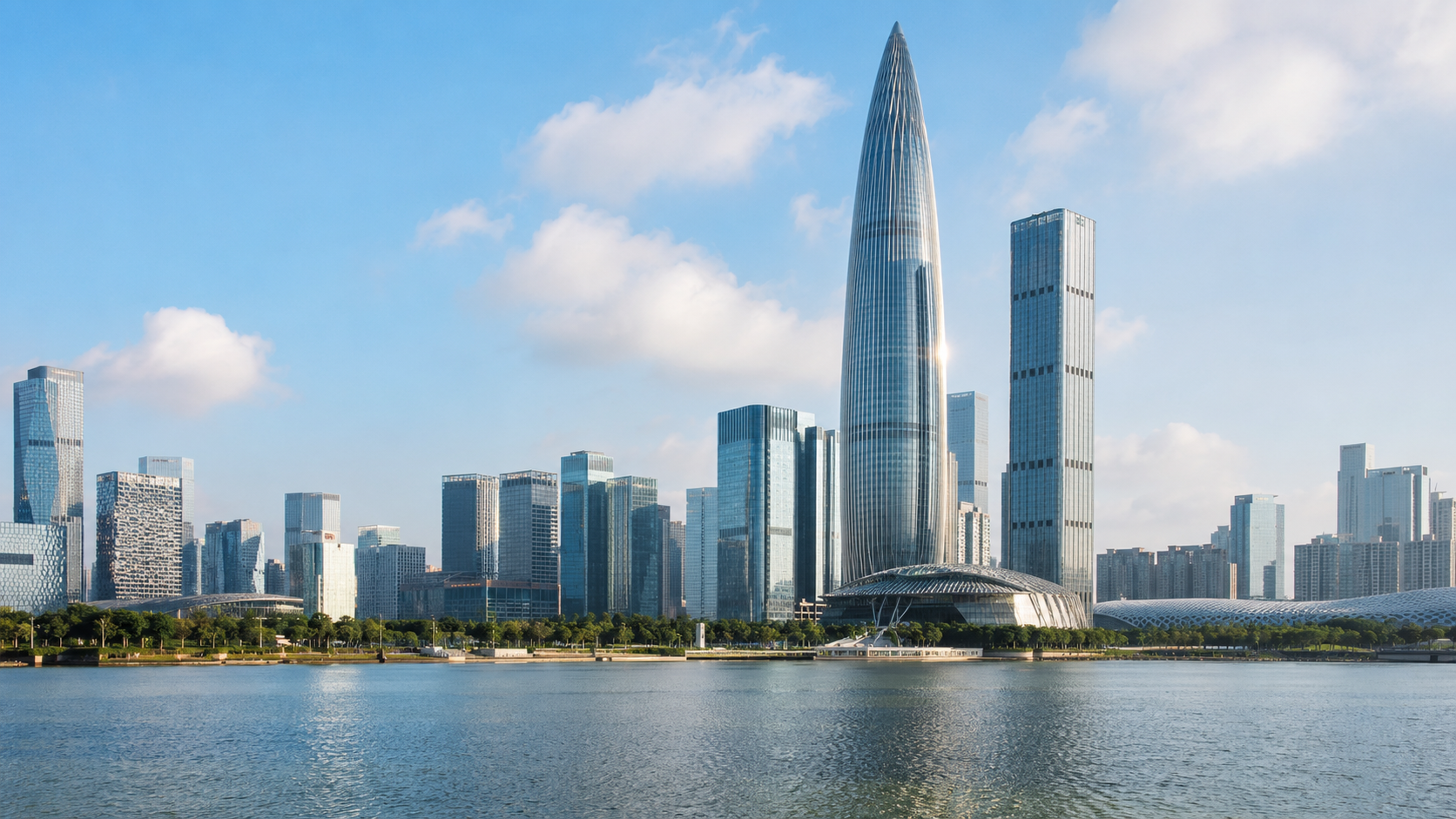
Shenzhen深圳
Technology, hardware, electronics and innovation科技、硬件、电子与创新

We support Singapore companies with market-entry strategy, company incorporation, regulatory compliance, banking, tax planning and ongoing corporate support in China. 我们协助新加坡企业规划进入中国市场,并处理公司设立、银行、税务、合规及后续运营事项。
Entering China is not simply a company-registration exercise. Singapore companies need to align commercial objectives with ownership structure, location, regulatory requirements, banking, tax, funding and ongoing operating responsibilities.
新加坡企业进入中国,不只是注册一家公司。企业还要考虑做什么业务、在哪里落地、如何持股、银行和税务怎么安排,以及公司成立后由谁负责运营。
We help businesses work through these issues before resources are committed, and coordinate the principal stages of establishing and supporting a China operation.
我们协助企业在正式投入前把这些问题想清楚,并协调公司设立和后续运营的主要工作。
Planning from both the Singapore parent company and the China operating entity.同时考虑新加坡母公司和中国公司的实际需要。
Clarifying the business model, structure and compliance requirements before registration.在注册前明确业务模式、架构及合规要求。
A commercially realistic entry route based on the company’s actual stage and resources.根据企业现阶段的资源和目标,选择更实际的进入方式。
Supporting operations and compliance after the company has been established.关注公司成立后的持续运营与合规管理。
Our work focuses on the core commercial, structural, banking, tax and compliance issues Singapore companies need to address before and after setting up in China. 我们重点协助企业处理进入中国前后最实际的问题,包括商业模式、公司架构、银行、税务和持续合规。
Clarify the commercial objective, entry mode, target region, key regulations, expected costs and implementation sequence.明确要进入哪个市场、采用什么方式、预计投入多少,以及先做什么、后做什么。
Plan ownership structure, business scope, registered capital and governance roles, then coordinate incorporation.规划持股架构、经营范围、注册资本及治理岗位,并协调公司设立流程。
Identify foreign-investment, licensing, governance, contract, data, reporting and ongoing compliance requirements.梳理外商投资限制、行业牌照、公司治理、合同、数据和申报要求。
Prepare bank due-diligence materials and map out capital contributions, operating payments and cross-border fund flows.准备银行开户资料,并规划注册资本、日常付款和跨境资金安排。
Review VAT, corporate income tax, related-party transactions, transfer pricing, withholding tax and profit repatriation.梳理增值税、企业所得税、关联交易、转让定价、预提税和利润汇回。
Coordinate accounting, tax filings, payroll administration, company changes, annual reporting and continuing compliance.协助处理会计、报税、薪资、公司变更、年度报告和持续合规。
China is not a single, uniform market. Location should be selected according to customer access, industry needs, supply chains, talent, cost, licensing and operating requirements—not only city reputation.中国各地的客户、产业、成本和营商环境差别很大。选择城市时,应结合客户、供应链、人才、成本和牌照要求,而不是只看城市名气。
Technology, hardware, electronics and innovation科技、硬件、电子与创新
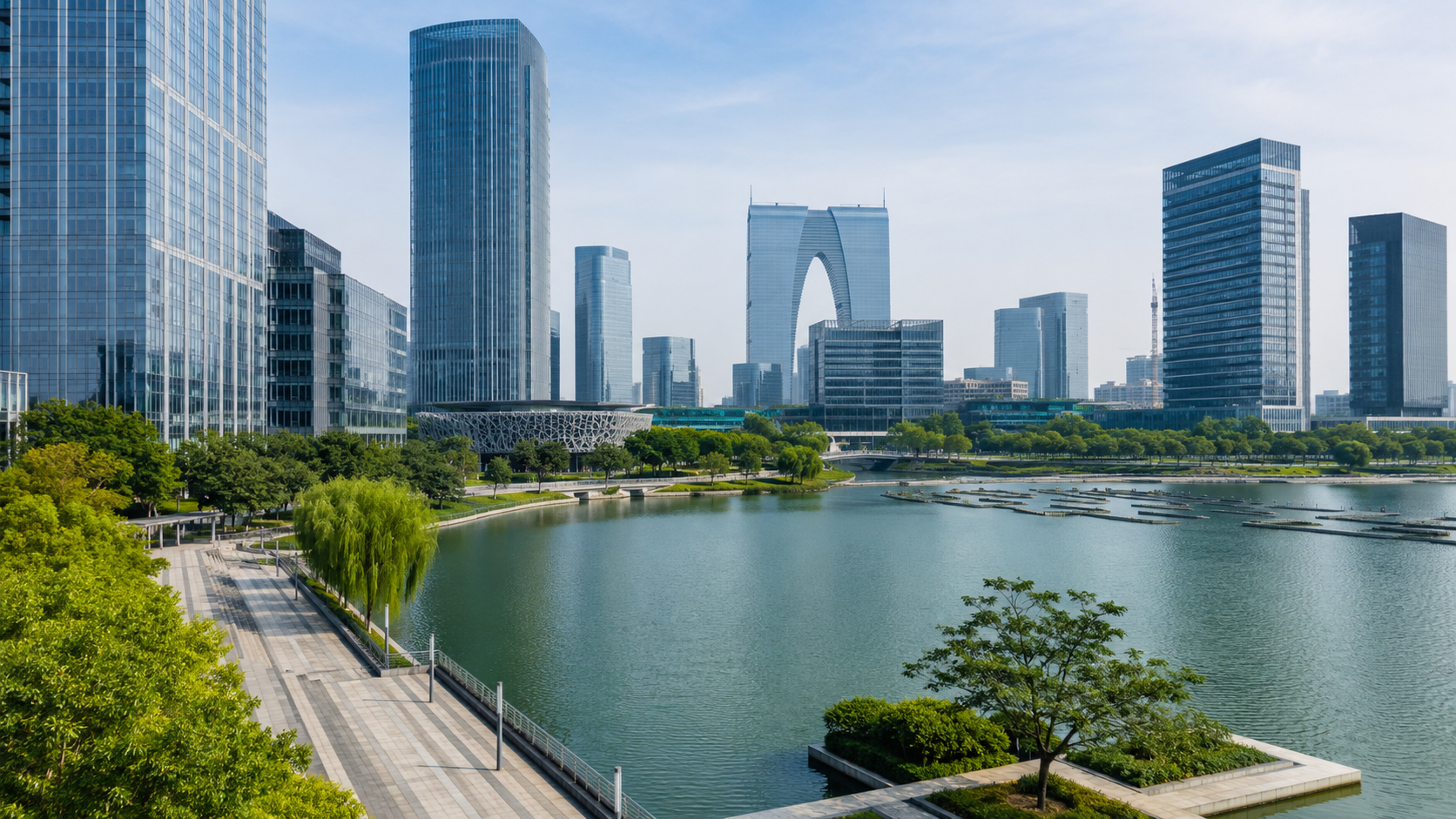
Industrial manufacturing, life sciences and supply chains工业制造、生命科学与供应链
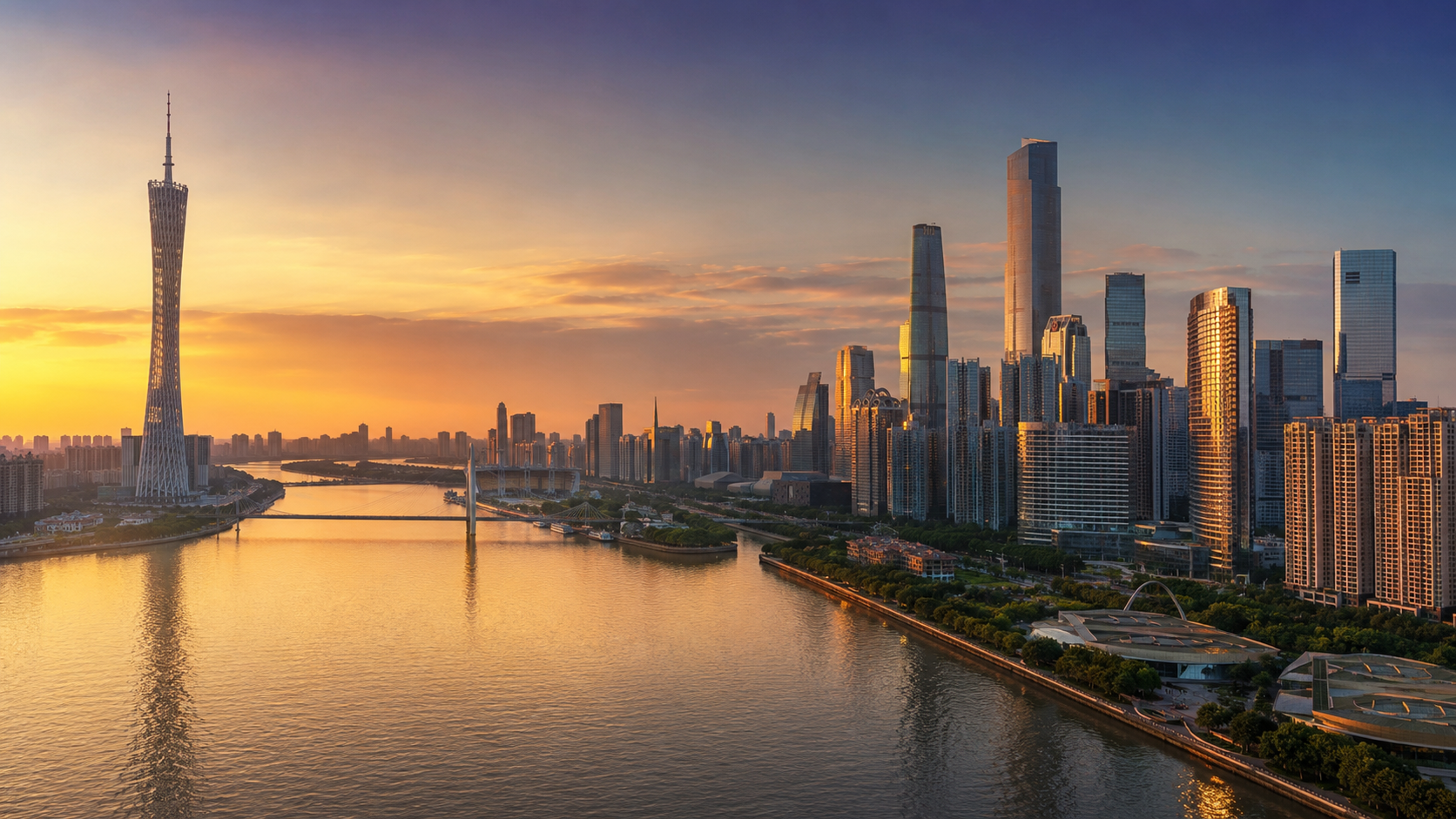
Trade, logistics and regional connectivity贸易、物流与区域连接
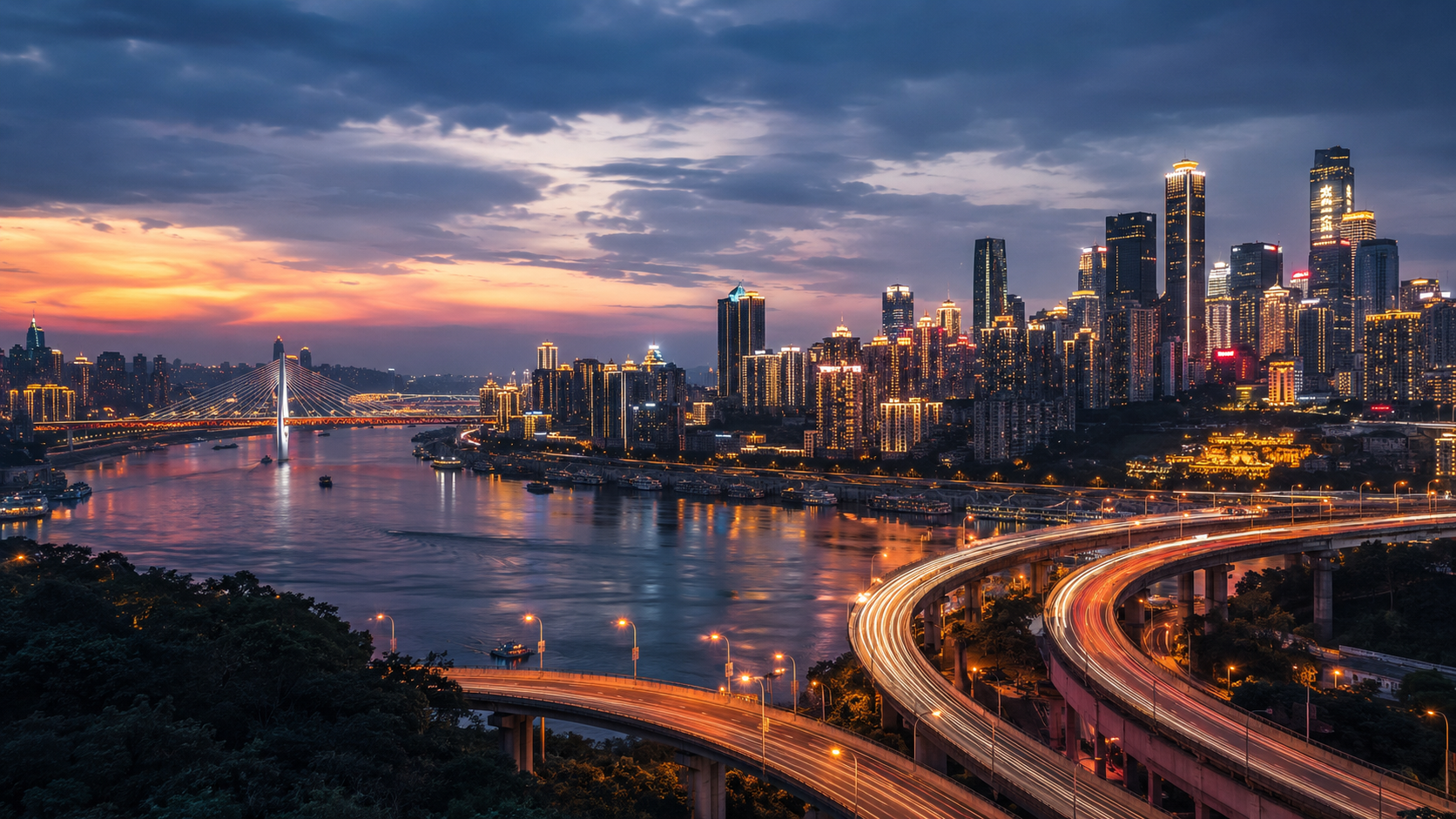
Logistics, inland access and advanced manufacturing物流、内陆市场与先进制造
Finance, professional services, trading, consumer businesses, technology and regional management.适合金融、专业服务、贸易、消费、科技和区域管理业务。
Shanghai is frequently one of the first cities considered by Singapore companies entering China because of its international business environment, mature legal and professional-services ecosystem, strong financial infrastructure and concentration of multinational companies. It can suit businesses seeking a regional management platform, customer-facing commercial operations, premium consumer positioning or access to a deep pool of service providers and corporate talent. For some businesses, Shanghai may be more appropriate as a commercial, management or branding hub than as a cost-sensitive operational base.
上海拥有成熟的国际商业环境,金融、法律、税务和专业服务资源集中,适合设立区域管理中心、开展专业服务、贸易及面向客户的业务。 但上海的运营成本通常较高,是否适合作为实际运营基地,仍应结合行业、团队和客户分布判断。
Technology, hardware, electronics, advanced manufacturing and innovation-focused businesses.适合科技、硬件、电子、先进制造及创新驱动型企业。
Shenzhen is often relevant to companies involved in electronics, product development, smart hardware, advanced manufacturing, supply-chain coordination and innovation-driven sectors. Its proximity to major manufacturing networks and component ecosystems can be especially valuable for businesses that need faster prototyping, engineering collaboration or close coordination with suppliers. It may also appeal to companies seeking access to China’s technology ecosystem in a commercially dynamic and execution-oriented environment.
深圳适合科技、硬件、电子、产品研发和先进制造企业。当地供应链密集,方便快速打样、工程协作和供应商管理。 但深圳的商业节奏快、竞争也强,企业需要有明确的产品能力和执行团队。
Trade, logistics, manufacturing, consumer products and ASEAN-linked supply chains.适合贸易、物流、制造、消费品及与东盟供应链相关的业务。
Guangzhou and the wider Greater Bay Area may be suitable for businesses that need access to manufacturing capacity, trading networks, logistics infrastructure and large consumer markets in South China. For Singapore companies with cross-border trading models or ASEAN-related supply-chain interests, the region can offer practical connectivity as well as access to a broad base of distributors, suppliers and business partners. Depending on the business model, the Greater Bay Area may support both market-entry activities and longer-term operational expansion.
广州及大湾区适合贸易、物流、制造、消费品和供应链相关业务。这里与华南市场及东盟联系紧密,也较容易接触分销商、供应商和合作伙伴。 具体落地点仍要结合业务类型,因为广州、深圳、东莞和其他城市的产业优势并不相同。
Industrial manufacturing, biomedical sciences, technology, engineering and supply-chain operations.适合工业制造、生物医药、科技、工程技术及供应链活动。
Suzhou and the broader Jiangsu region are often considered by companies that value strong industrial infrastructure, manufacturing capability and well-developed business parks. The region can be particularly relevant for industrial, engineering, life-sciences, biomedical and technical businesses that require stable operations, established supply chains and access to skilled technical talent. For some Singapore companies, Suzhou or nearby Jiangsu cities may provide a more operationally practical alternative to Shanghai while still benefiting from proximity to the Yangtze River Delta market.
苏州及江苏适合工业制造、生物医药、工程技术和供应链业务。当地产业园区成熟,制造配套和技术人才资源较好。 对部分企业来说,这里比上海更适合实际运营,同时仍可连接长三角市场。
Technology, research, institutional clients, professional services and regulated sectors.适合科技、研究、机构客户、专业服务及监管密集型行业。
Beijing may be more relevant to businesses that need closer access to central institutions, major state-linked clients, research resources, policy-related ecosystems or sectors with heavier regulatory interaction. It can also be considered by companies in technology, education, advisory services, public-affairs-sensitive industries and other knowledge-based sectors. For some Singapore businesses, Beijing is not necessarily the first choice for broad commercial rollout, but it may be strategically important where government, institutional or policy-facing engagement forms part of the business model.
北京适合科技、科研、专业服务、机构客户及监管要求较高的行业。企业也较容易接触研究机构、大型国企和政策相关资源。 但北京未必适合所有企业作为首个运营城市,是否选择这里,要看客户和业务是否确实集中在北京。
China remains strategically relevant to Singapore companies not only as a customer market, but also as a source of suppliers, production capabilities, engineering expertise, technology partners and large-scale commercial application scenarios.
对新加坡企业来说,中国不仅是客户市场,也拥有成熟的供应链、生产能力、工程人才和技术合作机会。
Access to both consumer demand and enterprise customers across diverse regions and sectors.既有消费市场,也有大量企业客户,可按行业和地区逐步进入。
Manufacturing, engineering, logistics and supplier networks can support product development and operations.制造、工程、物流及供应商网络可支持产品开发与业务运营。
Technology, green economy, healthcare and advanced manufacturing continue to create new market-entry possibilities.科技、绿色经济、医疗健康和先进制造仍有不少进入机会。
Different city clusters offer different combinations of customers, talent, infrastructure and industry ecosystems.不同城市群在客户、人才、基础设施及产业生态方面各具优势。
Trade agreements, government cooperation platforms and long-standing commercial ties provide a useful foundation.中新之间长期的贸易与商业联系,为企业进入中国提供了较好的基础。
Before treating company registration as the first step, these core issues should be resolved. 注册公司之前,建议先把以下问题确认清楚。
Assess whether cross-border sales, a distributor, representative office, foreign-invested company or joint venture best fits the current stage.比较跨境销售、经销商、代表处、外商投资公司或合资企业是否符合当前业务阶段。
Review the negative list, industry licences, qualifications and foreign ownership requirements.审视负面清单、行业牌照、资质和外资持股要求。
Consider customers, talent, cost, banking procedures, incentives, licences and actual office requirements.考虑客户、人才、成本、银行流程、政策、牌照及真实办公要求。
The registered scope may affect licensing, tax, invoicing, customs, banking and contracting ability.经营范围可能影响牌照、税务、开票、海关、银行及合同签署。
Registered capital is a shareholder funding commitment. Newly incorporated limited liability companies generally need to consider the five-year contribution period and applicable rules.注册资本是股东出资承诺。新设有限责任公司通常需要关注五年出资期限及适用规则。
Clarify the legal representative, directors, management authority, company seals, banking tokens and approval controls.明确法定代表人、董事、管理权限、公司印章、银行令牌及审批机制。
Registration does not guarantee account approval. Banks may review ownership, address, contracts, business plans, funding source and transaction profile.公司注册不代表账户必然获批。银行可能审查股权、地址、合同、业务计划、资金来源及交易模式。
After the business licence is issued, further bank, tax, invoicing, accounting, payroll, customs or sector-licence arrangements may still be needed.取得营业执照后,可能仍需完成银行、税务、开票、会计、薪资、海关及行业许可。
Before launch, exhibitions or distribution, consider protecting the English name, Chinese name, logo and product names.在公开发布、展会或委任经销商之前,考虑注册英文名称、中文名称、标志及产品名称。
Plan tax filings, annual reporting, accounting records, licence renewals, related-party reporting and bank compliance review.规划税务申报、年度报告、会计记录、牌照续期、关联交易报告及银行合规审核。
A structured process designed to help Singapore companies move from initial assessment to operational readiness in China.我们按阶段推进,从了解需求、制定方案,到公司设立和后续运营。
Understand the company background, products or services, China objectives and expected timeline.了解企业背景、产品或服务、进入中国的目标及预计时间。
Identify key issues across the market, structure, regulation, banking, tax, funding and operations.梳理市场、公司架构、监管、银行、税务和运营方面的主要问题。
Define the recommended route, city, entity structure, registered capital, business scope and implementation timeline.确定进入方式、落地城市、公司架构、注册资本、经营范围和时间安排。
Coordinate company registration, seals, bank preparation, tax setup and other approved workstreams.协调公司注册、印章、银行准备、税务启动及其他获批工作范围。
Put accounting, filing, payment, payroll and basic corporate administration processes in place.建立会计、申报、付款、薪资及公司行政流程,使企业具备基础运营能力。
Assist with post-establishment company matters, tax, banking, annual reporting and continuing compliance.处理后续公司变更、税务、银行、年度申报及持续合规事项。
Ready to plan your China market-entry path?准备规划您的中国市场进入路径?
Contact Us联系我们Eligible Singapore companies entering a new overseas market may consider Enterprise Singapore’s MRA grant for qualifying activities.符合条件的新加坡企业进入新的海外市场时,可考虑 Enterprise Singapore 的 MRA 资助计划。
Depending on the rules in force and the approved project scope, potential categories may include overseas market promotion, overseas business development and overseas market setup.
根据申请时有效规则及获批范围,可能涉及海外市场推广、海外业务发展及海外市场设立等类别。
Current eligibility, support levels and activities should always be confirmed directly with Enterprise Singapore at the time of application.申请时应直接向 Enterprise Singapore 核实最新资格、支持金额及合资格活动。
Not always. A Singapore company may first validate the market through exports, cross-border services, distributors or project-based arrangements. A China entity becomes more relevant when the business needs to employ staff locally, sign contracts through a local entity, receive RMB payments, issue Chinese invoices, obtain local licences or maintain a substantive and continuing operating presence.不一定。新加坡企业可先通过出口、跨境服务、经销商或项目合作验证市场。当企业需要在中国本地雇员、以中国主体签署合同、收取人民币、开具中国发票、申请本地牌照,或建立具有实质性的持续经营活动时,设立中国实体通常更有必要。
In many sectors, yes. Foreign investment outside the applicable negative list generally receives national treatment, subject to the same licensing and regulatory requirements that apply to domestic investors. The current nationwide foreign-investment negative list took effect on 1 November 2024 and removed the remaining manufacturing-sector foreign-investment restrictions. Sector-specific licences, qualifications and other rules may still apply.在许多行业可以。对于不在适用外商投资准入负面清单内的领域,原则上实行准入前国民待遇,但仍须遵守与内资企业相同的行业许可及监管要求。现行全国外资准入负面清单自2024年11月1日起施行,并已取消制造业领域剩余的外资准入限制;但特定行业仍可能适用牌照、资质及其他监管条件。
There is no single minimum amount for ordinary industries. Registered capital should reflect the company’s realistic operating needs, including staffing, premises, licences and the period before revenue. Under the Company Law effective from 1 July 2024, shareholders of a newly established limited liability company generally must fully contribute their subscribed capital within five years from incorporation, unless another law or special rule applies.普通行业通常没有统一的最低注册资本标准。注册资本应结合人员、场地、牌照、经营开支及产生收入前的资金需求合理确定。根据自2024年7月1日起施行的新《公司法》,新设有限责任公司的股东原则上须自公司成立之日起五年内缴足认缴出资,但法律、行政法规或国务院另有规定的除外。
Not necessarily. A business licence confirms legal establishment, but the company may still need to arrange company seals, bank accounts, tax-information confirmation, invoicing, accounting, payroll and social-insurance procedures, customs registration or sector-specific licences. The exact sequence varies by city, bank and industry; it is not accurate to assume that tax registration must always be completed before a corporate bank account can be opened.不一定。营业执照确认公司已依法设立,但企业可能仍需办理印章、银行账户、涉税信息确认、开票、会计、薪资与社保、海关登记或行业许可。具体次序会因城市、银行及行业而异,不宜笼统表述为必须先完成税务登记才能开设对公账户。
No. The bank conducts its own customer due diligence and may assess the ownership structure, ultimate beneficial owners, business substance, office address, contracts, expected transaction profile, source of funds and authorised signatories. Incorporation does not guarantee account approval.不会。银行会独立开展客户尽职调查,并可能审查股权及最终受益所有人、业务实质、办公地址、合同、预计交易模式、资金来源及授权人员。完成公司注册并不代表银行必须批准开户。
Generally, yes, after the company has covered prior-year losses, paid applicable corporate income tax and completed a lawful profit-distribution process. The company must generally allocate 10% of annual after-tax profit to its statutory reserve until that reserve reaches at least 50% of registered capital. Dividends paid to a Singapore shareholder are generally subject to Chinese withholding tax; the China–Singapore tax treaty limits the rate to 5% where the beneficial owner is a qualifying company that directly owns at least 25% of the paying company’s capital, and to 10% in other cases. Treaty relief is subject to eligibility, beneficial-ownership and compliance requirements. Banks may also require the profit-distribution resolution, tax-filing information and other supporting documents depending on the payment amount and current foreign-exchange rules.通常可以,但公司应先弥补以前年度亏损、缴纳适用的企业所得税,并依法完成利润分配程序。公司分配当年税后利润时,原则上应提取10%列入法定公积金,直至累计额达到注册资本的50%以上。向新加坡股东支付股息通常涉及中国预提所得税;根据中新税收协定,如股息受益所有人为符合条件的公司,并直接持有支付股息公司至少25%的资本,协定限制税率为5%,其他情况通常为10%。能否享受协定待遇仍取决于税收居民身份、受益所有人及合规条件。银行亦可能根据付汇金额及现行外汇规则,要求提供利润分配决议、税务备案信息及其他证明材料。
Complete the form and we will reply by email as soon as possible.请填写咨询表格,我们会尽快通过邮件与您联系。
enquiry@xinghexinzi.com